


What Do the LED Lights on a Drone Mean? Understanding Red and Green Flight Status Indicators
A drone's LED indicators may look like a small and simple part of the aircraft, but they provide important information about the operating status. By combining LED color, flashing frequency and flashing duration, a flight-control system can give pilots an immediate visual indication of the aircraft's current condition.
For agricultural drones and other professional UAVs, understanding these signals is particularly important. Operators may need to identify the aircraft's flight mode, communication status or battery condition quickly, sometimes before the information on the remote controller can be fully checked.
The video accompanying this article demonstrates several common LED status patterns using a Walkera flight controller (FC). Because LED definitions can vary between flight controllers and UAV systems, the examples below should be understood as a reference for the configuration demonstrated in the video rather than a universal standard for every drone.
Why Do Drone LED Colors Matter?
A drone LED indicator generally communicates status through several variables rather than color alone.
These can include:
- *LED color
- *Flashing frequency
- *Flashing duration
- *Continuous or intermittent illumination
- *Changes in the pattern during abnormal conditions
In the demonstrated configuration, red and green LEDs are used together with different flashing patterns to communicate different aircraft conditions. For pilots, recognizing these patterns can provide an additional layer of situational awareness during pre-flight checks and flight operations.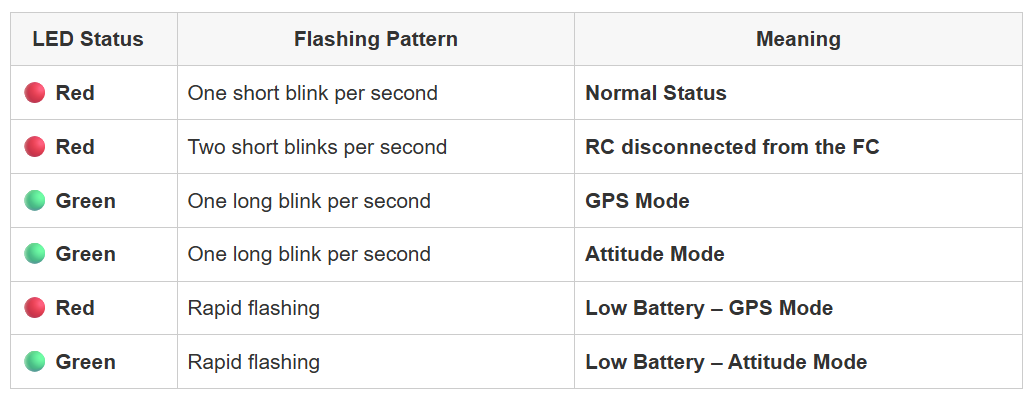
Red LED: Normal Operating Status
In the video demonstration, a red LED with one short blink per second represents the normal operating status of the aircraft.
This provides the pilot with a quick visual reference that the flight-control system is operating in its expected state.
However, a normal LED indication should not be considered a substitute for a complete pre-flight inspection. Professional UAV operations should also include checks of the battery, motors, propellers, communication link, flight-control parameters, payload and surrounding environment.
For agricultural drones carrying spraying or spreading equipment, these checks become even more important because payload weight and operating conditions can significantly influence aircraft performance.
Red LED: Remote Controller Disconnected
The video also demonstrates a different red-light pattern: two short flashes per second.
This indicates that the remote controller (RC) is not connected to the flight controller (FC) in the demonstrated configuration.
The communication link between the aircraft and its control system is fundamental to safe UAV operation. If the expected connection has not been established, the aircraft should not be treated as ready for normal flight.
For professional operators, this is one reason why LED indicators are useful. They provide a simple physical status reference directly on the aircraft, complementing information available through the remote controller or ground-control system.
Green LED: GPS Mode
The video then shows a green LED with one long blink per second, corresponding to GPS mode in the demonstrated flight-control configuration.
GPS-assisted flight can provide important positioning capabilities depending on the aircraft's flight controller, sensors and navigation system. These capabilities may include position holding and navigation assistance.
Position control is particularly valuable in agricultural UAV applications.
During spraying or spreading operations, maintaining a consistent flight path can help improve operational efficiency and coverage consistency. Depending on the complete UAV system, GPS or other positioning technologies may work together with flight-control algorithms and additional sensors to support these functions.
The LED therefore serves as a quick visual confirmation of the selected operating condition.
Green LED: Attitude Mode
The same green LED family is also used to indicate Attitude Mode in the video demonstration.
Attitude Mode differs from GPS-assisted flight because the aircraft's control behavior and positioning capabilities are different. The pilot therefore needs to understand which flight mode is active before operating the UAV.
This distinction is especially relevant for UAV training.
For new pilots, understanding the relationship between flight mode, aircraft response and positioning capability is an essential part of developing safe operating habits. For experienced pilots, recognizing the mode directly from the aircraft can provide useful additional situational awareness.
Rapid Flashing: Low-Battery Warning
One of the most important signals demonstrated in the video is the low-battery warning.
When the battery reaches a low-voltage condition, the LED flashing pattern changes to rapid flashing. The warning is associated with the aircraft's operating mode and provides the pilot with an immediate visual indication that battery status requires attention.
Battery management is critical for agricultural drones because energy consumption is affected by many factors, including:
- *Aircraft weight
- *Payload
- *Wind conditions
- *Flight distance
- *Flight speed
- *Battery condition
- *Temperature
- *Operating time
An agricultural drone carrying a liquid spraying payload, for example, may experience changing aircraft weight throughout an operation as the payload is consumed.
For this reason, professional operators should treat low-battery indications as an operational warning rather than simply a reminder to recharge the battery.
LED Indicators Are Part of a Larger UAV System
LED indicators represent only one part of a professional drone's control and monitoring architecture.
Behind a simple flashing light is a larger system involving the flight controller, sensors, power system, communication link, propulsion system and aircraft structure.
This system-level relationship is particularly important when developing agricultural drones.
A reliable agricultural UAV requires more than powerful motors. Its frame must provide sufficient structural strength while supporting the propulsion system, battery, electronics and payload. The aircraft must also be designed with practical considerations such as modularity, maintenance, transportation and system integration in mind.
This is where professional UAV platform engineering becomes important.
EFT: From Drone Frames to Complete UAV Platform Solutions
For EFT, drone development goes beyond producing an individual frame or component.
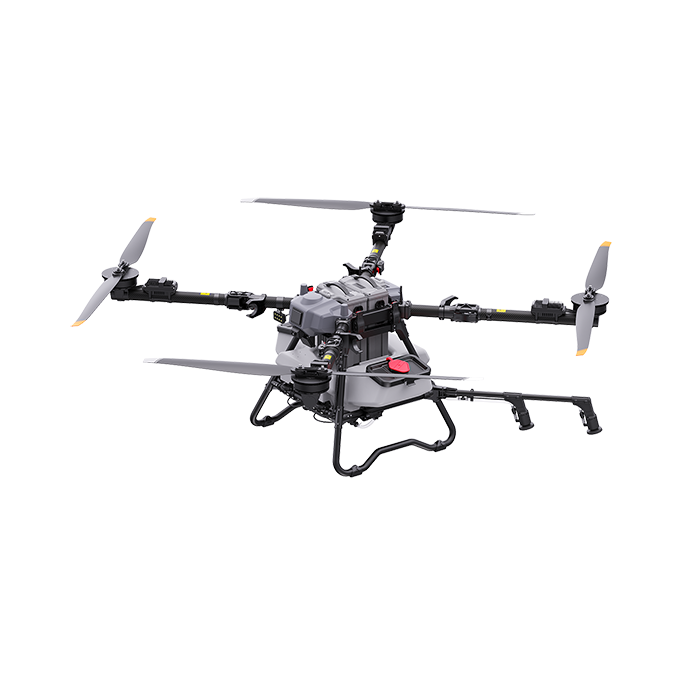
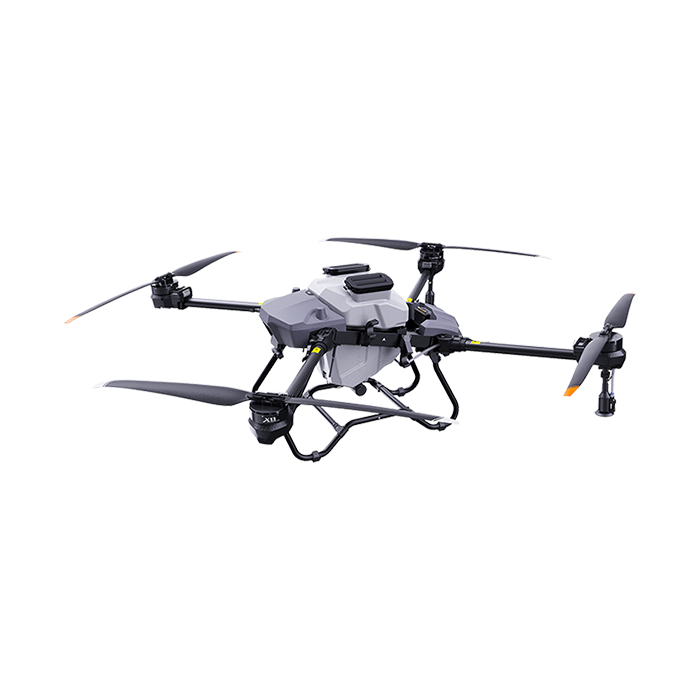
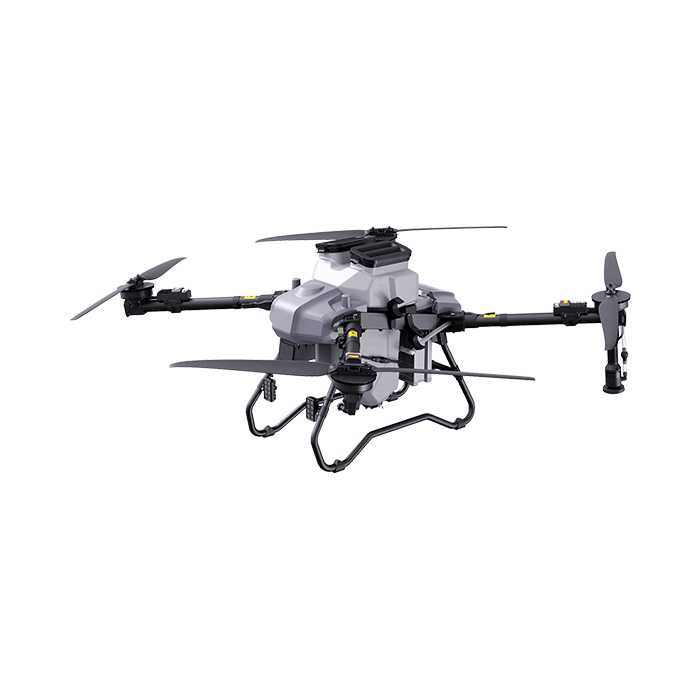
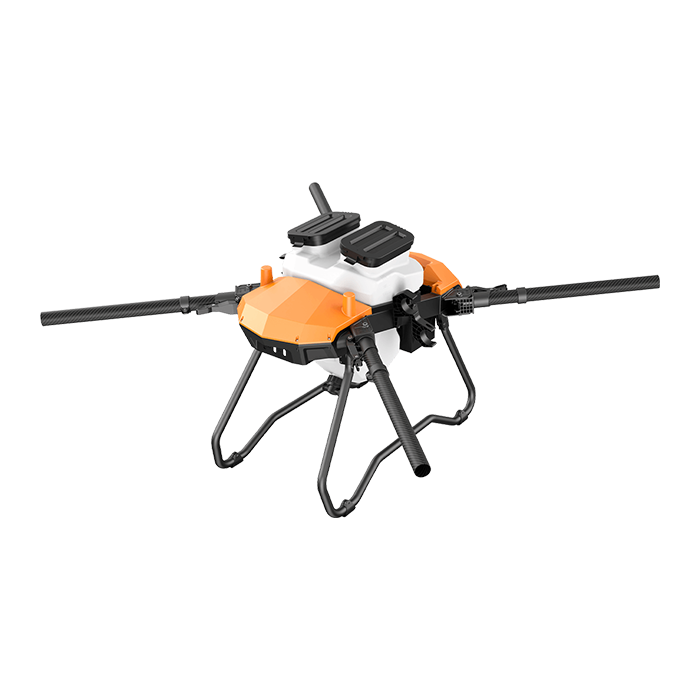
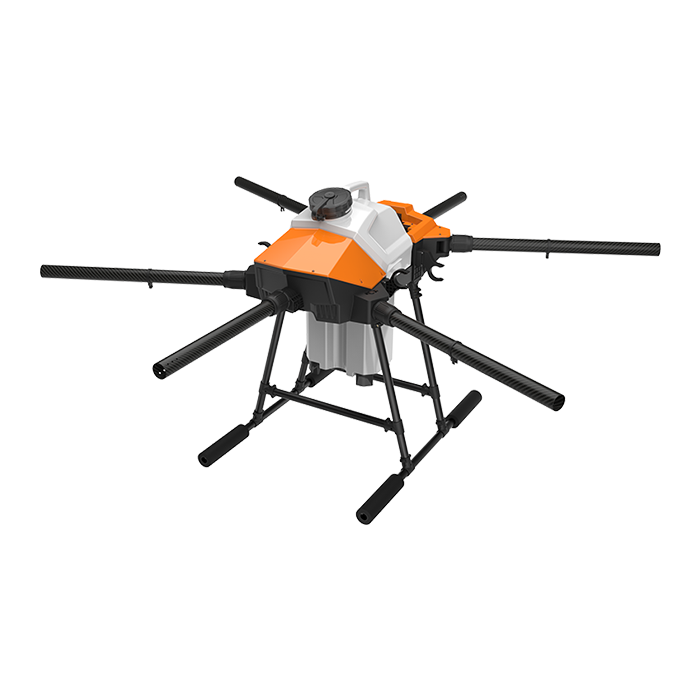
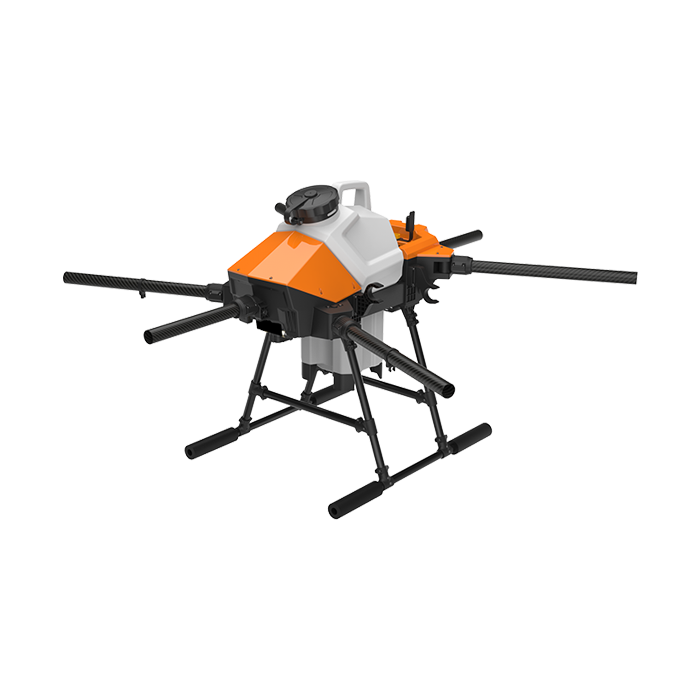
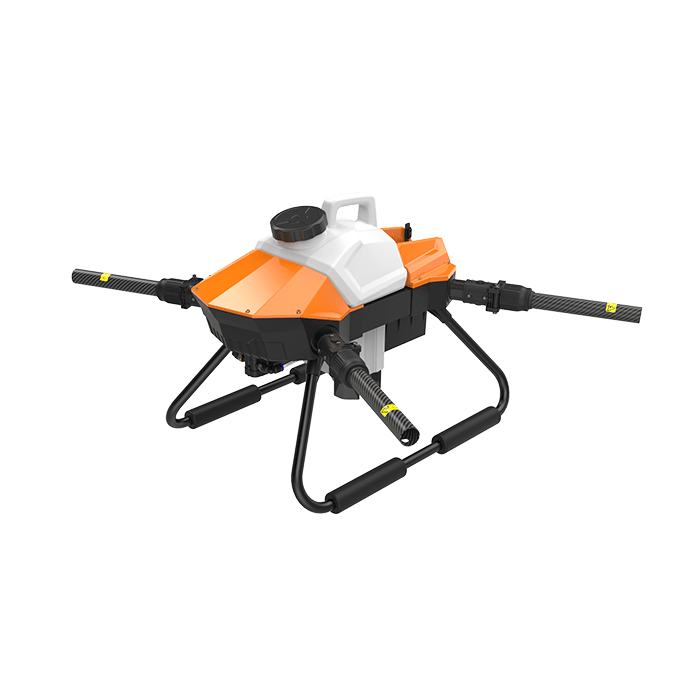
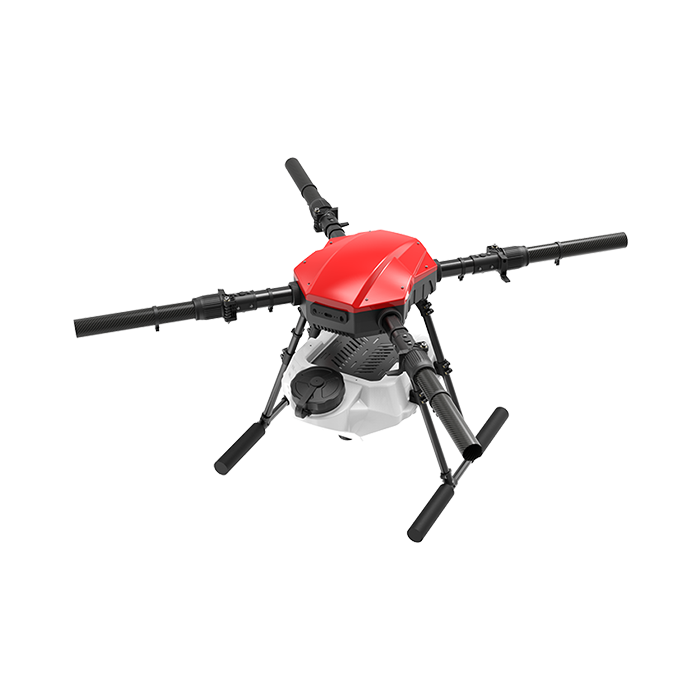
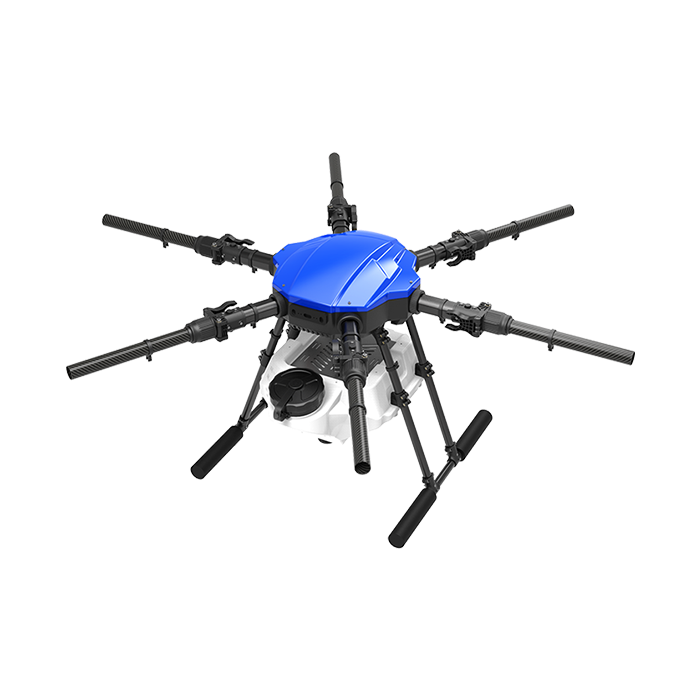
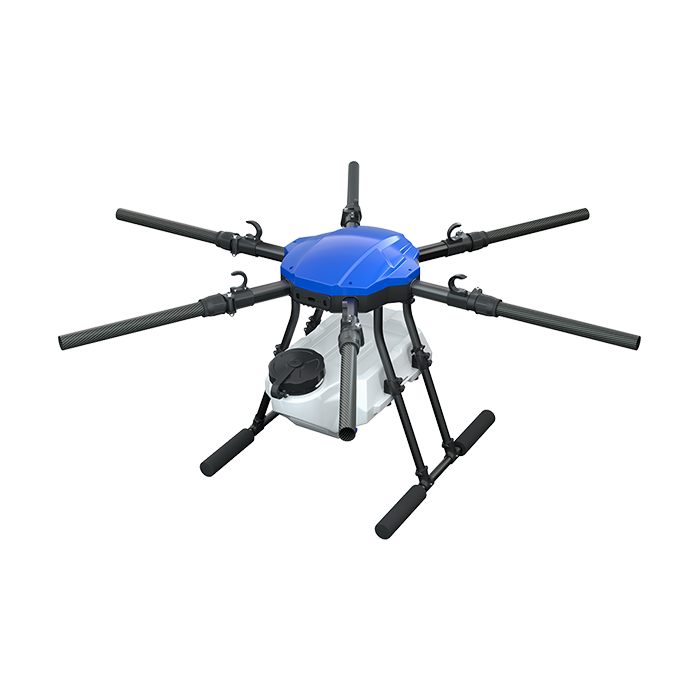
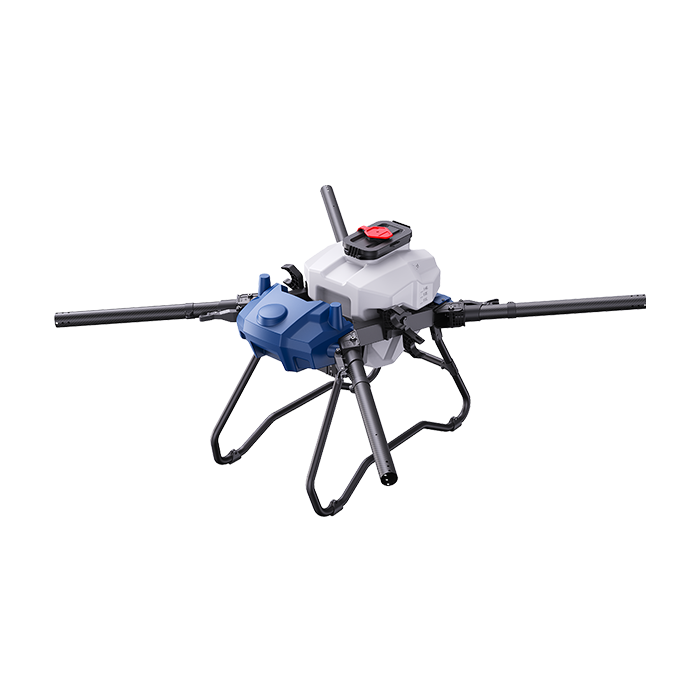
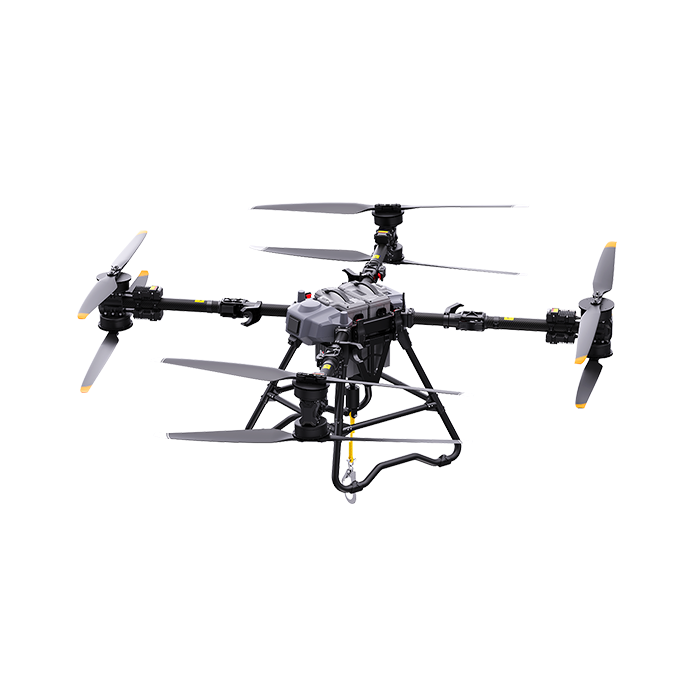
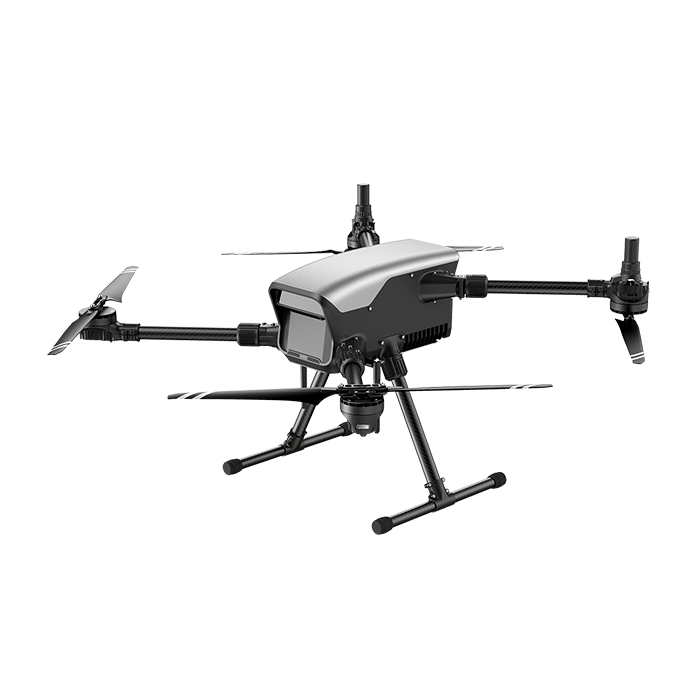
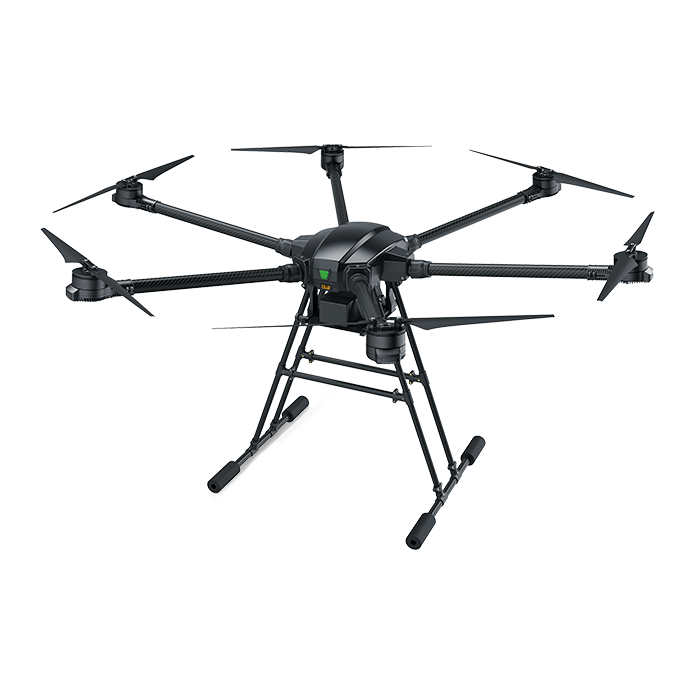
EFT focuses on UAV platform development and manufacturing for agricultural, industrial and training applications, with solutions covering agricultural drone frames, modular UAV platforms and application-oriented configurations.
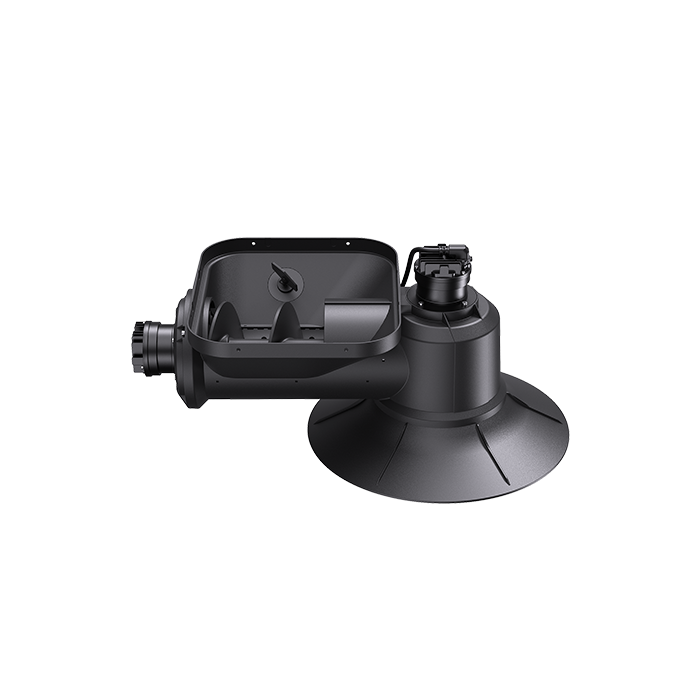
In agricultural applications, EFT platforms can be developed around different payload and operational requirements, including spraying and spreading applications. Modular platform concepts also allow different components and configurations to be integrated according to the requirements of distributors, system integrators and professional UAV operators.
This platform-oriented approach reflects an important principle in drone engineering: the performance of a UAV depends on how its individual systems work together.
The frame provides the structural foundation. The propulsion system generates thrust. The power system supplies energy. The flight controller manages aircraft behavior. Navigation and positioning systems support flight control, while the payload system determines how the aircraft performs its intended application.
Every part has a role.
For customers looking for an agricultural drone, agricultural drone frame, UAV frame, modular drone platform or customized drone solution, working directly with an experienced manufacturer can provide advantages throughout product selection, configuration and system integration.
Building UAV Solutions with Engineering in Mind
EFT's approach is centered on practical UAV platform development, manufacturing capability and application-oriented design.
Rather than treating a drone frame as an isolated product, EFT develops UAV platforms with structural design, payload capacity, modularity, maintenance and real-world operating requirements in mind.
This gives agricultural drone buyers, distributors and UAV integrators more flexibility when selecting a platform for a particular application.
Whether the requirement is an agricultural spraying drone, spreading platform, industrial UAV, training drone or customizable drone frame, the right foundation starts with reliable engineering and a manufacturer that understands how the complete UAV system works.
From a simple LED status signal to the structure supporting the entire aircraft, every detail contributes to the reliability of a professional UAV.
With its focus on UAV manufacturing and platform development, EFT continues to provide drone solutions for agriculture, industry and training applications, helping customers move from individual components toward practical, scalable and application-ready UAV systems.
For businesses looking for agricultural drone platforms, drone frames, UAV components or OEM/ODM cooperation, EFT provides a direct manufacturing and engineering-oriented approach to help customers select and develop the right UAV solution for their market.